CN
 EN


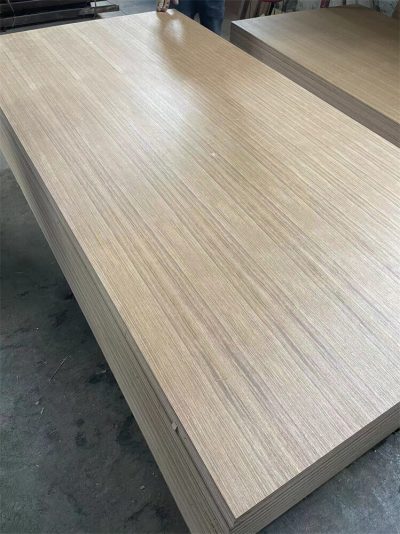
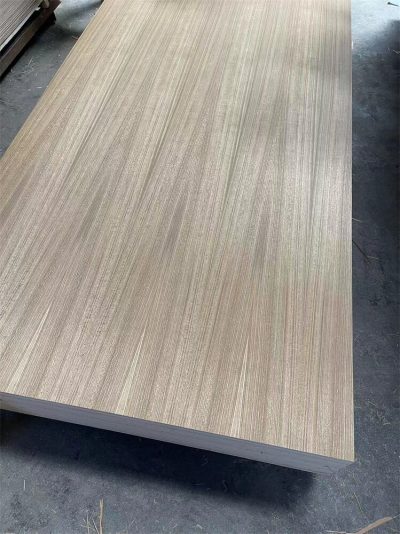
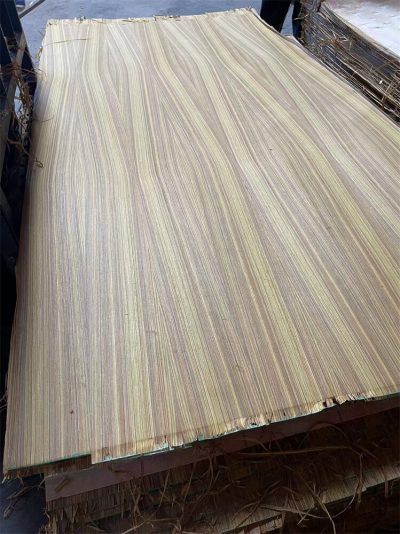
Red oak has long been a favourite species for decorative panels. Its clear grain, warm colour and pronounced texture give the finished surface strong visual appeal, often without requiring additional finishing work.
1. Book match vs mix match
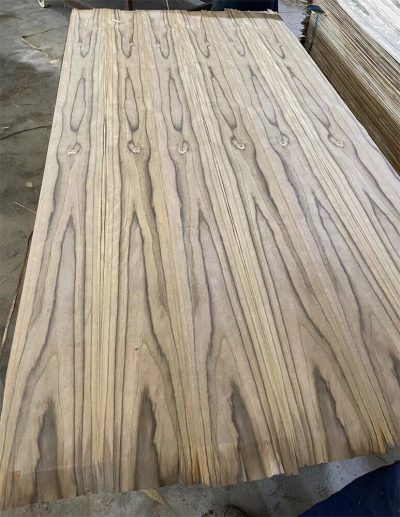
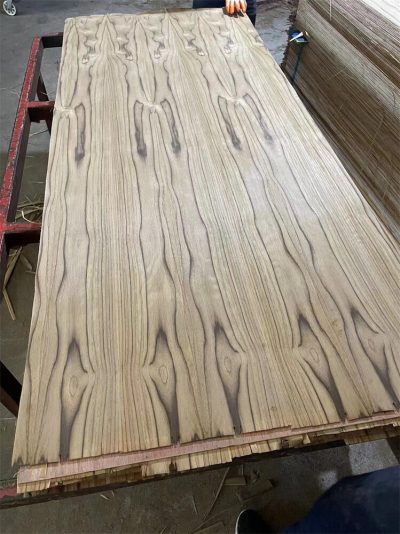
Book match requires adjacent veneers to follow the same grain direction in mirrored symmetry, producing a continuous, balanced pattern. This suits large continuous surfaces such as full-wall panelling, door leaves and feature walls. Mix match combines veneers from different batches without symmetry, creating a naturally irregular appearance. It is equally popular in hospitality and retail interiors, and the mix of sapwood and heartwood produces a pleasing tonal transition.
2. Choosing between them
Where you want order and a sense of space — full-wall panelling, door leaves, large backdrops — book match reads better. Where a relaxed, natural character is the goal, mix match is usually the stronger choice. Note that book match demands tighter batch selection, and colour consistency becomes the deciding factor.

3. What to check before ordering
Look at the back: quality panels show tidy lay-up without pronounced swirl grain or filler marks. Check the edges for tight, gap-free bonding that will not collect dirt over time. Confirm moisture content, since it directly determines whether the finished work warps after installation. For special applications, verify whether flame-retardant or moisture-resistant treatment is required.
4. An easily missed detail
Buyers often judge by the face only. Veneer thickness consistency across a single sheet is just as important — significant variation between plies shows up as uneven levels during sanding, and the irregularity becomes obvious once coated. A practical check is to measure thickness at four points on the same sheet and confirm the range falls within the allowed tolerance.
Most of the quality difference in red oak panels hides in these unremarkable details. Moving these checks earlier is far more economical than rework.