CN
 EN


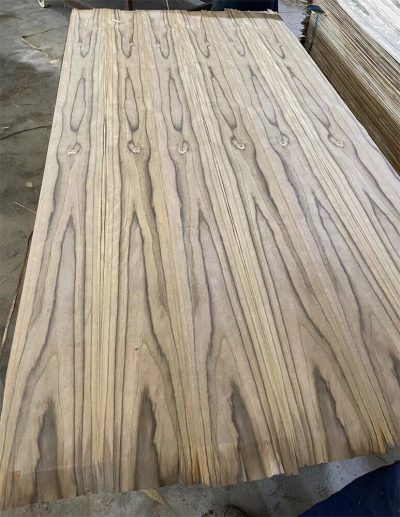
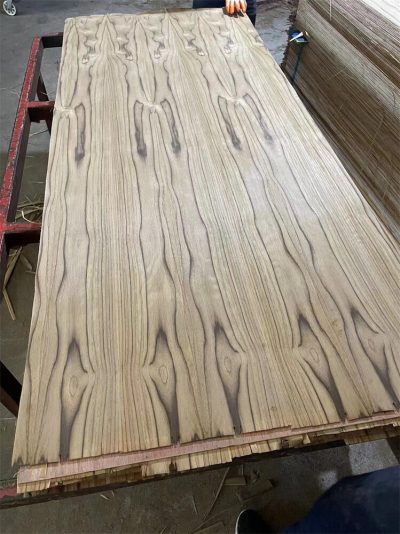
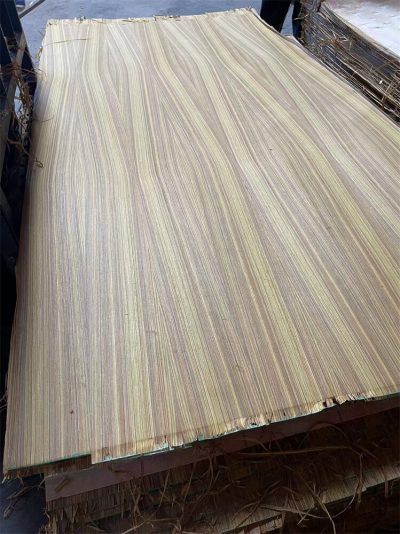
Natural teak is prized for its rich oil content, high density and dimensional stability. Because quality raw material is limited and costly, damage caused by improper storage after arrival often exceeds the freight cost itself.
1. Moisture content comes first
As a hardwood, teak shrinks less than softwoods during drying, but internal stresses still develop. Aim to keep storage humidity close to the moisture content at which the veneer was shipped. A relative humidity of 45% to 65% is generally suitable. Frequent cycles of moisture absorption and loss are the main cause of warping, so stable conditions matter more than any single reading.
2. Stacking method
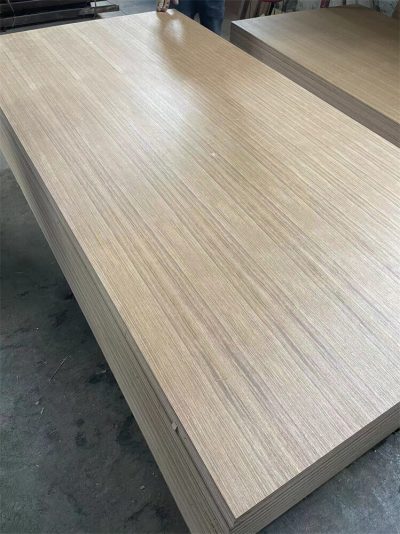
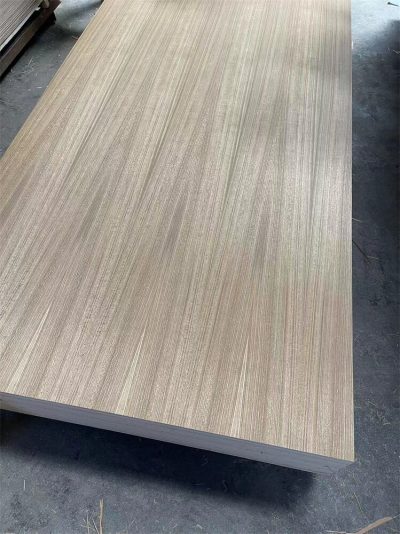
Store veneer flat rather than on edge — sheets held upright tend to bow under their own weight. Raise the stack on dunnage, keep batten spacing at 40 to 50cm, and leave at least 10cm of airflow beneath the stack. Stack height should generally stay under 1.5m, since excessive weight compresses the bottom layers.

3. Damp and pest protection
Teak has natural durability, but protection is still worthwhile in prolonged damp conditions or when stored alongside other panels. Lay moisture barrier film on the floor, wrap the stack, and avoid placing it flush against walls. Teak is rarely attacked by insects, but if the warehouse holds more vulnerable stock, regular inspection and record-keeping remain sensible.
4. Acclimatisation before machining
When moving from a humid store into a dry workshop, allow 7 to 10 days for gradual adjustment. Confirm the faces have fully equalised before trimming or fine sanding; otherwise finished dimensions will vary.
Premium material has a performance ceiling, and poor storage consumes that advantage quickly. Controlling storage conditions is far more reliable than trying to remedy problems afterwards.